Outer Banks Wildlife: Wild Horses, Birds, Dolphins & Sea Turtles
The Outer Banks sits on the Atlantic Flyway, hosts one of the last free-roaming horse herds in America, and has sea turtles nesting on its beaches every summer. Here is where to see each of them, and how to do it without disturbing the animals.
Written and reviewed by Isaiah Burch · Last verified July 2026 · Hours and prices change — always confirm on the operator's official site linked with each listing.
Wild horses of Corolla
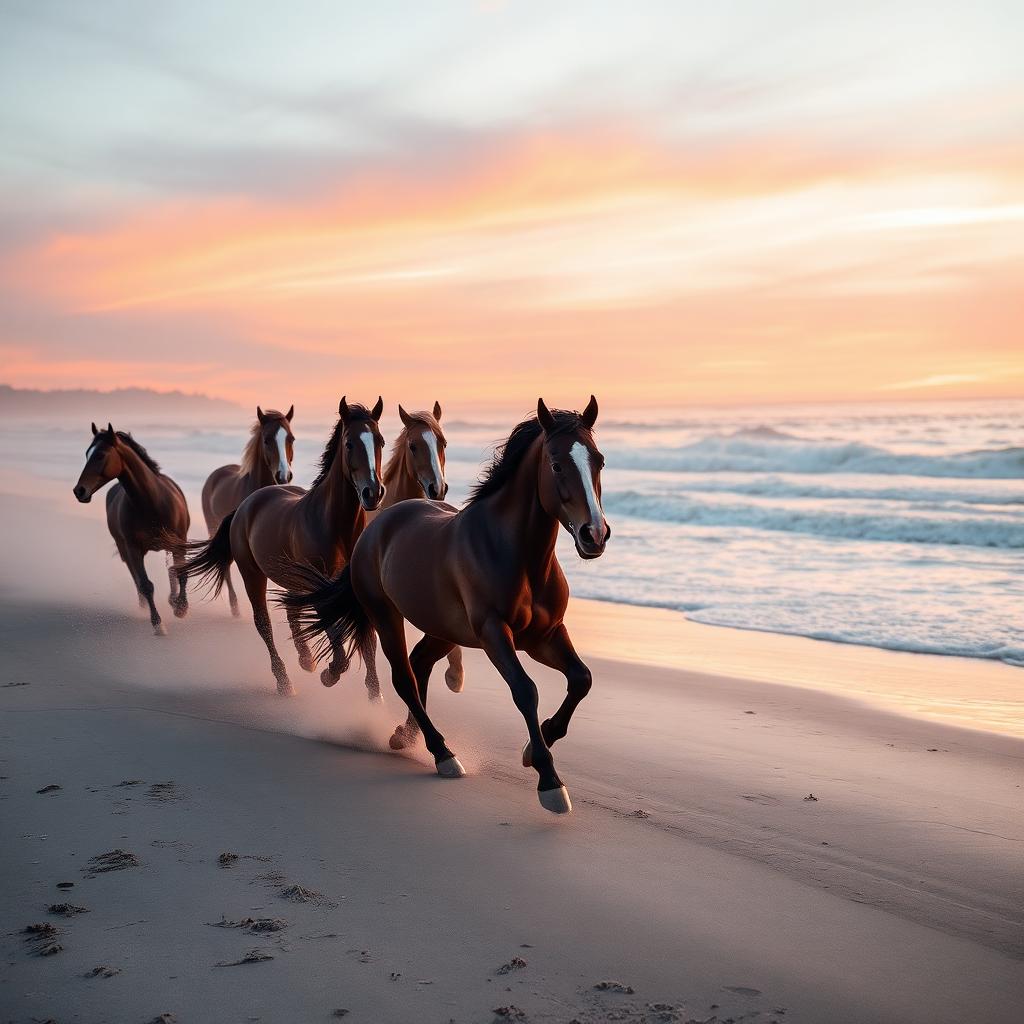
Roughly a hundred Colonial Spanish Mustangs roam the four-wheel-drive beaches north of Corolla, from Carova up to the Virginia line. They are descended from horses brought by Spanish explorers in the 1500s and are protected: North Carolina law requires you to stay at least 50 feet away.
Wild Horse Adventure Tours
Open-air Hummer tours into the herd's territory with guides who track the family bands daily. Morning tours find more horses; midday they shelter in shade.
Corolla Wild Horse Fund Museum
The nonprofit that manages the herd runs a small museum in Historic Corolla Village explaining the herd's genetics, history and rescue work.
Dolphins and sound-side marine life
Nags Head Dolphin Watch
Bottlenose dolphins feed in Roanoke Sound almost every summer evening. Narrated cruises leave from Pirate's Cove; late-afternoon sailings have calmer water and better light.
Jennette's Pier
Dolphins pass the pier most summer mornings, and the aquarium-run education staff often have touch tanks and talks on the deck.
Birding and sea turtles
Pea Island National Wildlife Refuge
The best birding on the coast: more than 350 recorded species, with snow geese and tundra swans wintering on North Pond and waders on the trails at dawn.
Network for Endangered Sea Turtles (NEST)
Loggerheads nest on Outer Banks beaches from May through August and hatch through October. NEST volunteers mark nests and hold public hatch watches — never touch a nest or shine white light on the beach at night.
Watching wildlife responsibly
- •Stay 50 feet from the Corolla horses — it is state law, and feeding them is illegal and lethal to the animals.
- •Never drive on the beach at night from May to October; hatchlings orient by moonlight and get crushed or misdirected.
- •Turn off ocean-facing lights at rental houses during nesting season.
- •Keep dogs leashed near the Pea Island trails and any posted shorebird nesting closures.
Frequently asked questions
Where can you see the wild horses in the Outer Banks?
North of Corolla, on the four-wheel-drive beaches from Carova to the Virginia state line. There is no paved access; either take a guided 4x4 tour or drive a permitted four-wheel-drive vehicle up the beach at low tide.
Can you see dolphins from the Outer Banks beaches?
Yes. Bottlenose dolphins feed just past the breakers most summer mornings and evenings, and are commonly seen from the piers at Jennette's, Nags Head and Avon.
When do sea turtles hatch on the Outer Banks?
Nesting runs from May through August and hatching from late July into October. Marked nests are posted on the beach, and volunteers announce public hatch watches during the season.
Keep planning your Outer Banks trip
See the Outer Banks from the air
Scenic flights from Manteo are available in several route lengths, from short introductory flights to longer coastline tours, putting the lighthouses, shoals and wild-horse beaches in one view. OBX Helicopters is operated by Coastal Helicopters Inc., which also owns this site.
Book an Outer Banks helicopter tour